What is the difference between synthetic and conventional oil?
Answer: Motor oil, whether synthetic or petroleum-based, consists of molecular chains of hydrogen and carbon atoms,
referred to as hydrocarbons. Petroleum crude oil is a thick, highly flammable dark-brown or greenish liquid with high energy density.
Many contaminating elements exist in this complex mixture of hydrocarbons, including sulfur, nitrogen, oxygen and metal components
such as nickel or vanadium. Petroleum crude oil is the raw material used for a wide variety of petrochemicals, including solvents,
fertilizers, plastics and lubricants.
The oil refining process separates the various types of molecules in the oil by weight, resulting in a concentrated batch
suitable for manufacturing products such as gasoline, LPG, kerosene or lubricant base oils. The chemical composition of
conventional motor oil can vary substantially depending on the raw crude oil refining process.
While petroleum base oils are refined, synthetic base oils are manufactured and can achieve a higher performance level.
Synthetic oil is chemically engineered for a certain molecular composition with a tailored and uniform structure. Such fine-tuned
control over the final molecular composition of synthetic oils is the key to their superior performance properties. Designing
molecular structures in a planned and orderly fashion results in molecules, and end-products, that are far more stable than their
refined petroleum counterparts.
What roles do additives play in motor oil performance?
Answer: Most lubricating oils have other chemicals added to improve the overall performance of the fluid. Chemical additives are used to enhance the
beneficial properties of the base oil or to make up for oil deficiencies. For passenger car motor oils, base oil makes up 70 to 80 percent of
the final product; the other 20 to 30 percent is comprised of additive chemistry.
Additives help lubricants stand up to extreme operating environments. Even the best base oil would not be able to protect as well against the
effects of heat, shearing forces, chemical and water dilution, corrosion and wear particles. In short, additives make good base oils even better.
They give good base oils the performance benefits consumers have come to expect, such as multi-grade performance, extended drain intervals and
extreme-pressure performance.
Anti-wear Agents chemically react to form a film barrier that prevent metal-to-metal contact and wear.
Antioxidants reduce the tendency for oil to react with oxygen and reduce sludge buildup.
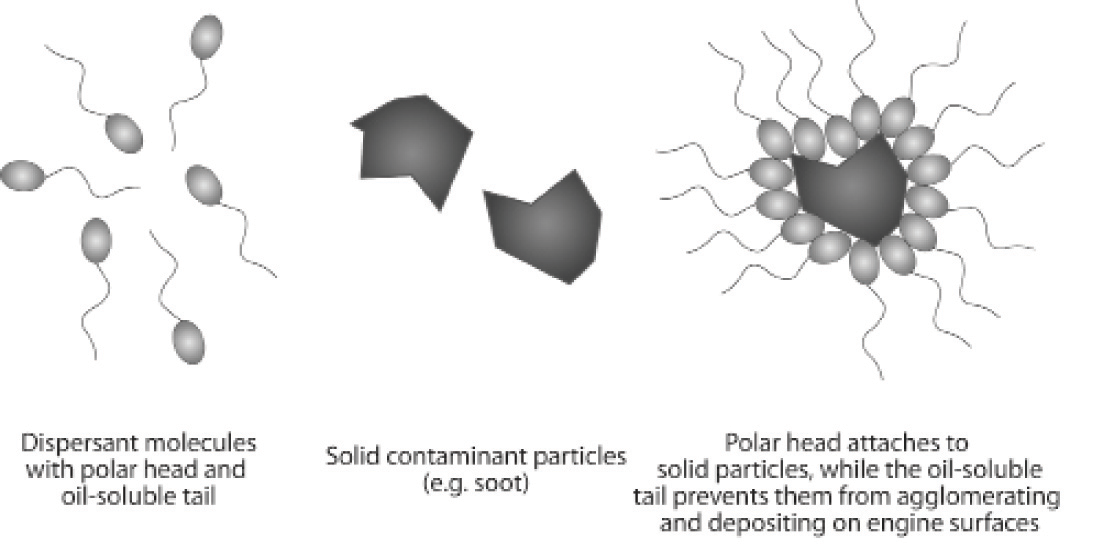
Dispersants help suspend and disperse contaminants in the oil to keep engine surfaces free of sludge and deposits. They fight the build-up
of corrosive acids and are most efficient at controlling low-temperature deposits.
Detergents help suspend and disperse contaminants in the oil to keep engine surfaces free of sludge and deposits. They are most efficient at
controlling high-temperature deposits.
Extreme-Pressure Additives coat metal surfaces to help prevent close-contact components from seizing under extreme pressure.
They are activated by high temperatures and high loads to react with the metal’s surface to form a sacrificial wear layer on components.
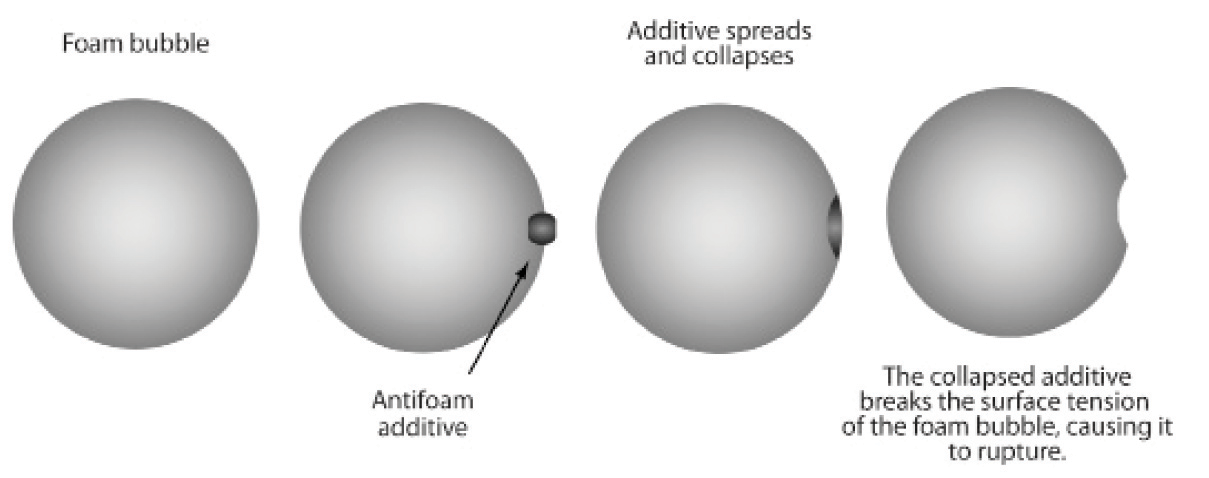
Foam Inhibitors reduce the surface tension of air bubbles and causes them to collapse.
Friction Modifiers can be used to give oil more 'slippery' characteristics. In engine oils, friction modifiers are used to increase the
oil’s lubricity for the purpose of reducing friction and improving fuel economy.
Pour Point Depressants give high-viscosity oils good low-temperature properties. Pour point depressant polymers inhibit the formation of
crystals to minimize low-temperature viscosity increase.
Rust & Corrosion Inhibitors form a protective barrier over component surfaces to seal out water and contaminants. While most rust and
corrosion inhibitors work by forming a physical barrier, some rust inhibitors function by neutralizing acids.
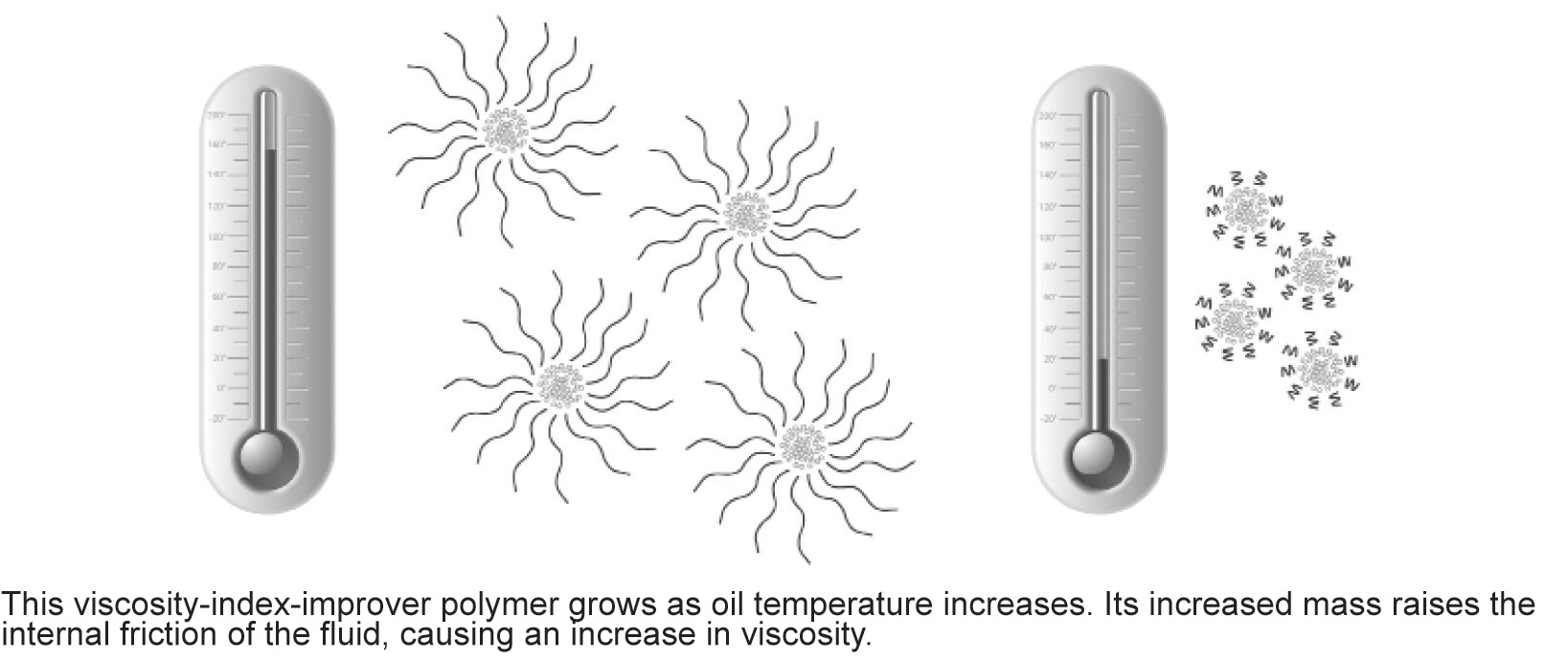
Viscosity Index (VI) Improvers are long-chain polymers that help control the viscosity of multi-grade engine oils. They expand and
contract as temperatures vary. High temperatures cause VI improvers to expand and reduce oil thinning; low temperatures cause VI improvers
to contract and have little impact on oil viscosity.
Is AMSOIL Engine and Transmission Flush compatible with seals?
Answer: Yes.
AMSOIL Engine and Transmission Flush is compatible with engine and transmission seal materials.
It is specially formulated to condition seals to help prevent leaks and extend seal life.
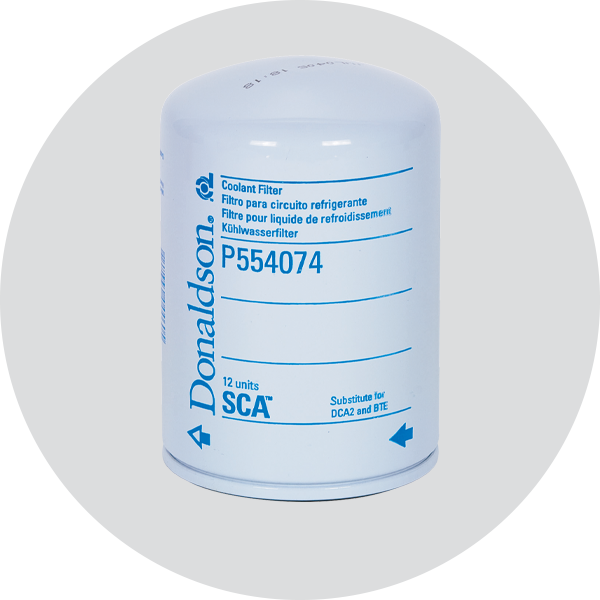
Filters: Air and Oil
What is the difference between a “micron rating” and “beta ratio test” when referring to filters?
Answer: A filter’s micron rating refers to the smallest size contaminant the filter media can remove; however, there is no correlation
between micron rating and a filter’s efficiency percentage.
The beta ratio test measures a filter’s efficiency for removing particles of a certain size by comparing the amount of contaminant particles
before and after filtration. The number of particles after filtration is divided by the number before filtration. The resulting number is
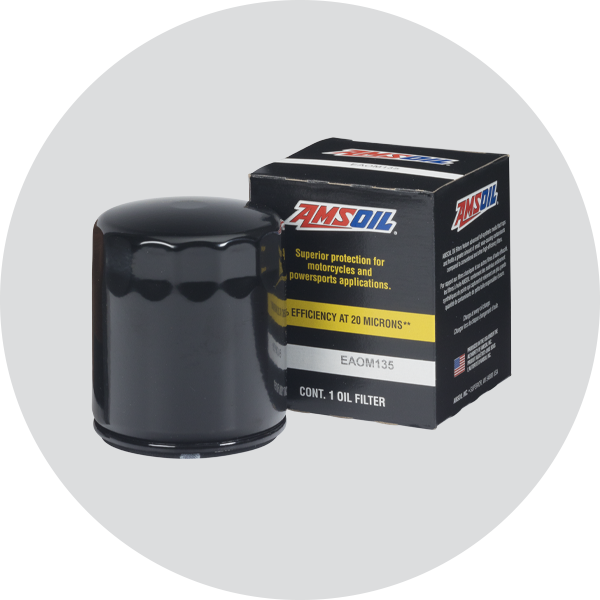
the beta ratio. AMSOIL Ea filters have a minimum beta ratio of 75, meaning they are capable of removing 98.7% of contaminant particles of
a stated size.
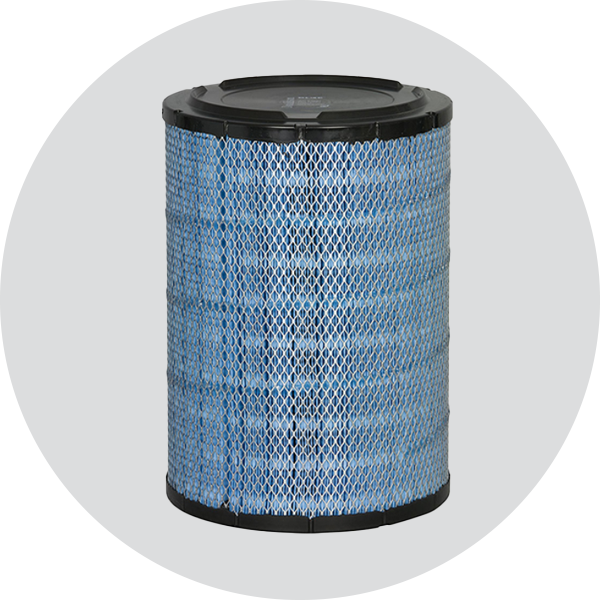
Are AMSOIL Ea® Air Filters washable? How are they cleaned?
Answer: AMSOIL Ea Air Filters
are not washable, but should be cleaned by vacuum or shop air every 25,000 miles or one year, whichever comes first. Clean the filter
housing with a cloth; use care to avoid knocking contaminants into the air inlet.
To vacuum, carefully vacuum the filter media on the dirty side. If using shop air, blow the filter media at a 45-degree angle on the
clean side using low-pressure air (15 – 20 psi).
Is it okay to use non-AMSOIL brand filters with AMSOIL lubricants?
Answer: Yes. Non-AMSOIL brand filters may be used with AMSOIL lubricants.
However, the manufacturer recommended change intervals and cleaning procedures should
be followed. AMSOIL supports the full 10,000 mile/6 month XL Motor Oil drain interval
with any non-AMSOIL oil filter.
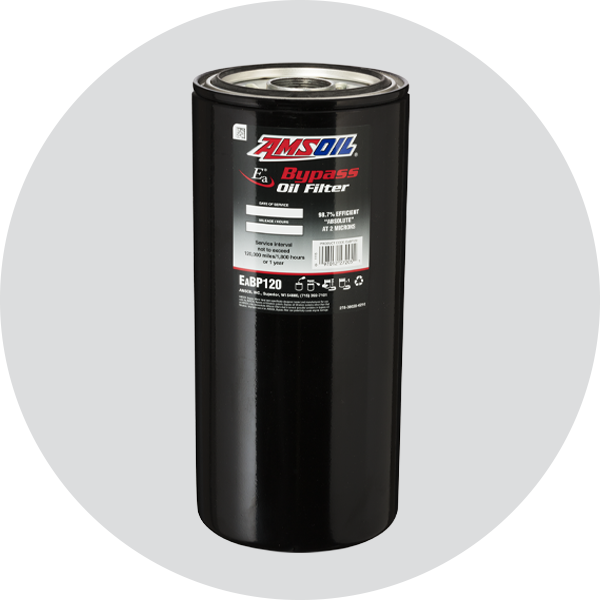
What is the proper change interval for Ea® By-Pass Filters?
Answer: When used in conjunction with AMSOIL motor oil and an AMSOIL Ea or
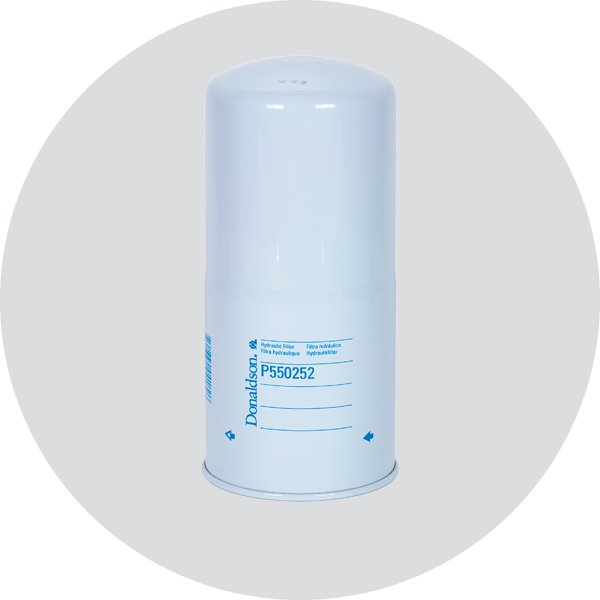
Donaldson® Endurance™ Full-Flow Oil Filter, Ea By-Pass Filters should be changed
every other full-flow filter change up to 60,000 miles. When used with other brands
of motor oil or full-flow filters, Ea By-Pass Filters should be changed every other
full-flow filter change. AMSOIL recommends using oil analysis when extending oil
drain intervals.
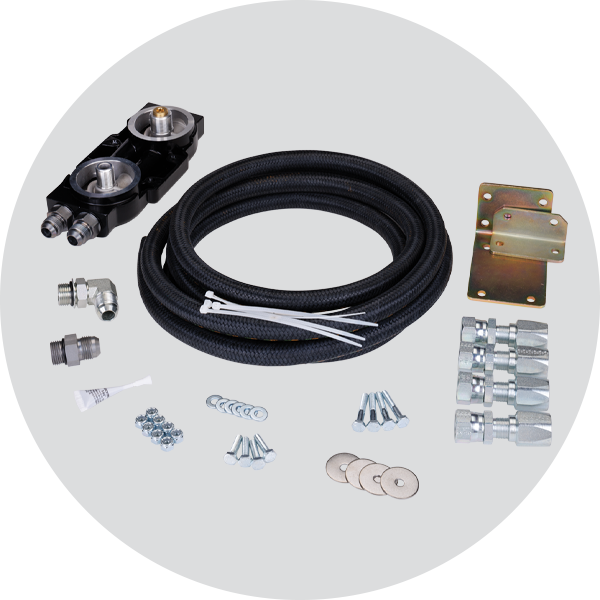
How long can oil drains be extended when using a by-pass filtration system?
Answer: AMSOIL By-Pass Filters are designed to filter out fine particles;
they are not meant to extend oil change intervals beyond original recommendations.
However, when fine particles are filtered out of the motor oil, it may be possible
to attain longer drain intervals. This should be determined by used oil analysis.
In addition, the use of an AMSOIL bypass system may allow for the use of larger
oil filters, which can increase filtering capacity.
What is the service life of AMSOIL Ea® Air and Oil Filters?
Answer: AMSOIL Ea Air Filters are guaranteed for up to 100,000 miles/four
years provided they are cleaned by vacuum or compressed air every 25,000 miles/one
year.
When used in conjunction with an AMSOIL extended-drain motor oil, Ea filters designated
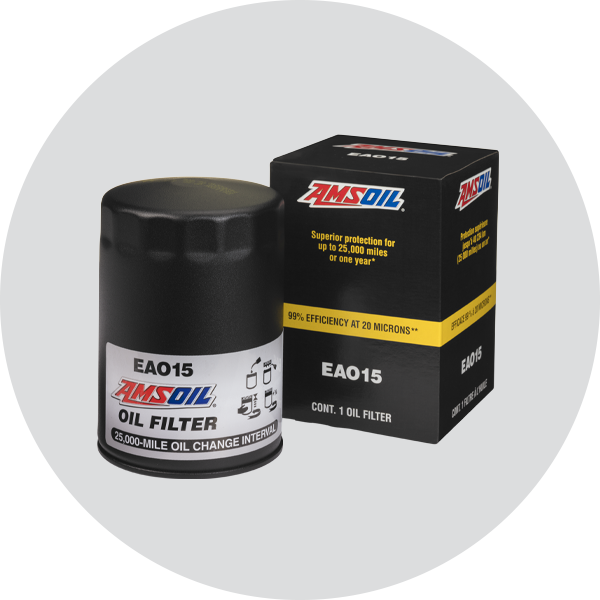
with product code EaO are guaranteed for up to 25,000 miles/one year in normal service
and up to 15,000 miles/one year in severe service. Ea filters designated with product
code Ea15K are guaranteed for up to 15,000 miles/one year, whichever comes first,
regardless of driving conditions. It is recommended that all AMSOIL-brand oil filters
be changed when the motor oil is changed. If motor oil other than AMSOIL is used,
AMSOIL Ea Oil Filters must be changed according to the vehicle manufacturer’s recommendations.
Fuel Additives: Gasoline
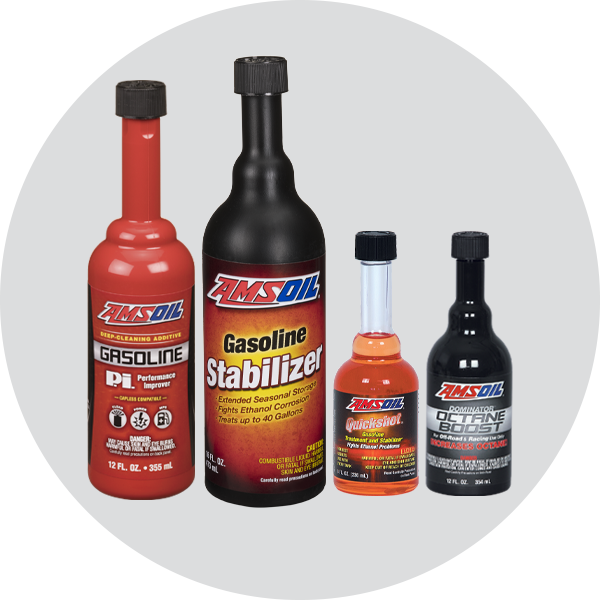
What exactly does AMSOIL P.i.® gasoline fuel additive do?
Answer: For optimum fuel efficiency and lower emissions, fuel must first
be atomized into a fine mist prior to entering the combustion chamber. Over time,
injector deposits produce irregular spray patterns with heavy streams of gasoline
that reduce performance, while intake valve deposits also decrease efficiency. AMSOIL
P.i. (API) is a potent gasoline additive designed to clean combustion chamber deposits,
intake valve deposits and port fuel injector deposits to improve fuel efficiency
up to 5.7 percent and an average of 2.3 percent.
Does AMSOIL offer any fuel additives that combat ethanol-related problems?
Answer: Yes. AMSOIL Quickshot® (AQS) contains a revolutionary technology
that focuses on three major fuel-related issues plaguing small engines and powersports
equipment: ethanol, water and dirty pump gas.
Ethanol in fuel has a tendency to
absorb water and separate from the gasoline. It then sinks to the bottom of the
gas tank, where it quickly degrades and creates gum, varnish and other insoluble
debris that can plug fuel flow passages and negatively affect engine performance.
When this ethanol/water mixture is pulled into the engine, it creates a lean-burn
situation that increases combustion chamber temperatures and can lead to engine
damage. AMSOIL Quickshot is proven to successfully fight ethanol problems and improve
operation.
Fuel Additives: Diesel
Does AMSOIL Cold Flow Improver work if diesel fuel is beginning to gel?
Answer: AMSOIL Cold Flow Improver (ACF) is designed to prevent fuel from
gelling and clogging fuel lines and filters. If the fuel is beginning to gel, the
fuel should be treated with AMSOIL Diesel Recovery Emergency Fuel Treatment (DRC).
Diesel Recovery disperses the wax crystals and allows the fuel to flow.
Is it safe to use AMSOIL Engine and Transmission Flush in diesel trucks and cars?
Answer: Yes. AMSOIL Engine and Transmission Flush (FLSH) is safe for use
in diesel and gasoline engines and automatic transmissions to help restore equipment
efficiency and operation. AMSOIL Engine and Transmission Flush is not recommended
for manual transmission, CVT transmissions, differentials, transaxles, small engines
or power sports equipment.
What benefits are seen when using AMSOIL Cetane Boost?
Answer: Elevated cetane levels, generally above 50, are preferable to get
the most performance and power out of diesel engines. AMSOIL Cetane Boost (ACB)
is engineered to improve the cetane value of diesel fuel up to seven points. AMSOIL
Cetane Boost is appropriate for all types of service, including heavy- and light-duty
service, on- and off- road and marine diesel engines. Cetane Boost is compatible
with biodiesel and all types of exhaust emissions systems and is excellent for use
with Ultra Low Sulfur Diesel Fuel (ULSD). AMSOIL Cetane Boost also improves operating
cost by improving fuel economy, provides complete combustion for better power, reduces
white smoke and emissions, and improves cold temperature starting.
Vehicle Warranty and AMSOIL
How does using AMSOIL synthetic motor oil affect new vehicle warranties?
Answer: Using AMSOIL synthetic motor oil has no affect on vehicle warranties.
A federal law called the Magnuson-Moss Act (1975) prevents original equipment manufacturers
from putting conditions on vehicle warranties attached to any product or service
identified by brand, trade or corporate name, unless the manufacturer provides that
product or service free of charge. This means consumers have the freedom to use
aftermarket products of their choice without fear of losing the original limited
or implied vehicle warranty. For additional information, contact the AMSOIL Technical
Department at (715) 399-TECH (8324) or
tech@amsoil.com.
Will extending oil change intervals void new vehicle warranties?
Answer: No. Extending oil change intervals will not void new vehicle warranties.
To affect the vehicle warranty, it must be determined that the lubricant was directly
responsible for the failure; if the oil didn’t cause the problem, the warranty cannot
be voided, regardless of brand or length of time in use.
Miscellaneous
I see AMSOIL is registered to the ISO 9001:2008 standard and the ISO 14001:2004 standard. What does each mean and what are the differences?
Answer: ISO International Standards ensure that products and services are safe, reliable and of good quality. For business,
they are strategic tools that reduce costs by minimizing waste and errors and increasing productivity. They help companies access
new markets, level the playing field for developing countries and facilitate free and fair global trade.
ISO 9001:2008 is the most widely used quality standard throughout the world for quality management systems. It is based on the eight
quality management principles: customer focus; leadership; involvement of people; process approach; system approach to management;
continual improvement and fact-based decision making; and mutually beneficial supplier relationships. When fully adopted, these principles
have been proven to enhance organizational performance in providing quality products and services to customers. For customers and potential
industry partners, ISO 9001:2008 certification provides assurance that AMSOIL has systems in place to ensure consistent product quality
on every production run.
ISO 14001:2004 sets out the criteria for an environmental management system. It does not state requirements for environmental performance,
but maps out a framework that a company or organization can follow to set up an effective environmental management system. ISO 14001:2004
certification indicates that AMSOIL takes environmental stewardship seriously and takes deliberate steps to minimizing the company’s environmental impact.
Because its Quality Management and Environmental Management Systems are registered to ISO standards, AMSOIL Dealers and customers
can be assured that AMSOIL not only manufacturers high-quality products, but that the company is also actively monitoring and reducing
its environmental impact.
Where can AMSOIL product recommendations, for equipment, be found?
Answer: AMSOIL provides a number of product lookup and filter lookup guides
to help determine the appropriate lubricant or filter for an application. These
lookup guides are found on the right-hand side navigation menu at www.amsoil.com.
The following lookup guides are available to determine proper recommendations: Auto
and Light Truck, Power Sports, Small Engine, TRICO Heavy Duty, Vintage Vehicle and
Heavy Duty.
Oil Analysis
What is oil analysis?
Answer: Oil analysis is a process for determining the chemical properties
of a lubricant. It’s often used to detect mechanical issues before major failures
occur. Used oil samples are analyzed for specific physical properties, contaminant
levels and wear debris from the equipment to determine if the oil can remain in
service. Oil analysis can also monitor the wear rate of the equipment and detect
if wear is elevated beyond acceptable limits. It is often used as part of a preventative
maintenance program.
Why should oil analysis be done?
Answer: As part of a preventative maintenance program, oil analysis can help
owners and operators be proactive in their maintenance practices to help increase
equipment productivity and eliminate costly downtime. The cost of routine oil analysis
far outweighs the costs to replace major equipment on large industrial equipment,
commercial and passenger car vehicles. For those reluctant to extended
oil intervals, oil analysis provides evidence that AMSOIL motor oils have exception
performance and protection capabilities in extended service.
Maintenance Products
Gear Oils
Can different AMSOIL gear lubricant viscosities be mixed?
Answer: AMSOIL gear lubricants are compatible with one another. Mixing different
AMSOIL gear lubricants, however, could change the viscosity properties of the oils,
depending on the ratios and viscosities mixed. This could impact the drain interval.
Mixing different viscosities of lubricants should be minimized whenever possible.
Are AMSOIL gear lubes safe for yellow metals?
Answer: Yes. As long as temperatures don’t exceed 250°F (121°C), all AMSOIL
automotive gear oils are safe to use in drive train applications with yellow metals.
Check the AMSOIL on-line look-up guide at www.amsoil.com for specific questions.
Is AMSOIL gear lube compatible with RTV sealant?
Answer: AMSOIL automotive gear lubricants are compatible with RTV sealant.
It is very important the RTV sealant manufacturer’s instructions be followed and
the product be FULLY cured before contact with the gear lubricant.
Can AMSOIL Severe Gear® be used in Harley-Davidson transmissions?
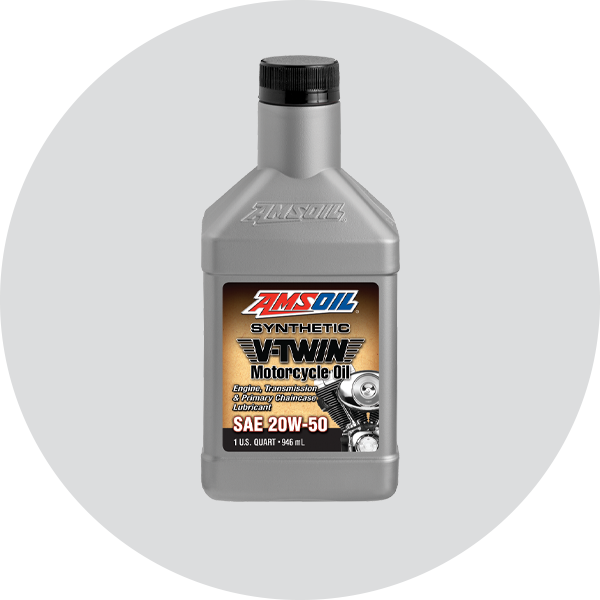
Answer: Yes. In Evolution 1340 and all Twin Cam Harley-Davidsons, AMSOIL
recommends AMSOIL 20W-50 Synthetic Motorcycle Oil (MCV) or Severe Gear 75W-110 Synthetic
EP Gear Lube (SVT). In older Harleys, such as Knuckleheads, Panheads and Shovelheads,
AMSOIL Synthetic SAE 60 Motorcycle Oil (MCS) or Severe Gear 75W-140 Synthetic EP
Gear Lube (SVO) is recommended.
API Licensing
What is API licensing for passenger cars?
Answer: An API (American Petroleum Institute) license indicates that a specific motor oil formulation has passed the minimum
performance standards as defined by a series of laboratory bench, physical, chemical and engine tests. These tests and
minimum performance standards are determined by the API Lubricants Committee to address specific areas such as
engine wear, deposits, fuel economy and emissions. The committee is comprised of representatives from automobile, oil
and additive companies.
Which companies license formulas with the API?
Answer: Additive companies develop licensed formulas that they offer to oil companies to re-license. It is inexpensive to re-license
one of these formulas, and the majority of oil companies choose to do this to avoid the costs associated with testing their
own formulas. This lowers the value of such engine oils because the same chemistry is being sold under many brand
names. The lubricant formulas from AMSOIL INC. are unique and proprietary.
Is there any flexibility in manufacturing an API-licensed formula?
Answer: API licensing was originally developed for mineral-based oils, and it affords these oils more flexibility than synthetic oils.
Conventional oils comprised of petroleum base stocks may use a simple program called base stock interchange for added
flexibility in manufacturing and purchasing. Interchange means that by completing the proper paperwork and running a few
minor tests an oil company can choose to buy these petroleum base stocks from many different suppliers. This ensures
adequate supply and competitive pricing. However, synthetic base stocks are supplier specific and base stock interchange
is not allowed. For example, if a formula was tested with an ester base stock from a specific supplier then only that supplier's
ester can be used. Complete engine testing would be required to use that exact same ester from another supplier
and is therefore not performed because of the associated costs. This inflexibility makes price negotiations with synthetic
base stock suppliers very difficult and increases business risk. Supply disruptions from only one source could shut down
production.
There is also something called viscosity grade read-across. Fortunately, this applies to both petroleum and synthetic base
stocks, although the better cold-temperature performance of synthetics makes it more difficult to achieve in some situations.
The read-across guidelines ensure that if a manufacturer properly formulates the lubricant for which all of the API
tests have been performed, then the manufacturer may use that same basic formula to make more grades (i.e. 5W-20,
5W-30, 10W-30, etc.) of the same motor oil.
Finally, there is a rule for substitutions in the Chemical Manufacturers Association (CMA) code of practice that allows a
small degree of flexibility for all formulas. It allows a company to make changes to certain components in the formula with
limited testing and paperwork requirements, provided that the additives are at the same or higher concentration.
Why doesn’t AMSOIL license all of its synthetic motor oils?
Answer: If all AMSOIL motor oils were API licensed, the company could not source new raw materials from multiple suppliers,
which would greatly increase the threat of supply disruption and the likelihood of extraordinarily high prices. To solve this
problem, the API must establish base stock interchange guidelines for synthetic base stocks just as they have for other
base stocks, as well as develop interchange guidelines for other components too. Furthermore, licensing formulas limits
the ability to quickly adopt new technologies as they are discovered; each variation from the originally licensed formula
requires re-submission for complete engine testing (see the Ask AMSOIL entry above for more information).
How does AMSOIL INC. ensure that its products meet or exceed the minimum specifications of the tests required for API licensing?
Answer: First, AMSOIL INC. works closely with major additive companies to select the top-performing, and usually most expensive,
passenger car and heavy-duty diesel motor oil additives. These additives have already passed all of the API licensing
requirements in a petroleum- or synthetic-based formulation. Then, AMSOIL works with the additive company to maximize
the amount of additive used and to boost the additive package in selected performance areas to achieve an optimum performing
additive package for the intended application. This is unlike many other oil companies that, because additives are
expensive, use the minimum amount of the least expensive additives required to meet the minimum API requirements.
AMSOIL then uses a combination of synthetic base stocks with known performance characteristics as replacements for
the petroleum base stocks to optimize performance in areas of lubricity, volatility, viscosity index, oxidation and nitration
resistance, pour point, flash point, deposit control, soot handling, emissions and many other areas as well. AMSOIL also
uses a high-quality V.I. improver with outstanding viscosity and cleanliness properties. This replaces the inexpensive,
low-quality V.I. improver used in standard API-licensed petroleum formulas. AMSOIL does laboratory bench tests and runs
field tests to verify the superiority of the synthetic formula. AMSOIL continues to monitor the performance of the oil through
close scrutiny of tens of thousands of oil analysis tests per year across a wide variety of vehicles all around North America
and the world. AMSOIL INC. has been collecting used synthetic oil samples from passenger cars since 1982. No other oil
company has such a vast database of the performance of synthetic lubricants over extended drain intervals.
AMSOIL products and formulations outperform API-licensed oils because they are engineered for top performance from
the very beginning.