☰

Maximum ABS and traction-control performance

High boiling points resist brake fade and vapor lock
Brake fluid can and does go bad. Despite being one of the most crucial components for safety and performance, changing brake fluid is one of the most neglected maintenance tasks.
Brake fluid is vital to your vehicle’s braking system. It transfers the force from pressing the brake pedal to the brake pads, creating the friction necessary to bring your vehicle to a stop. Without brake fluid, or with fluid that’s degraded, your brakes can fail.
One of the challenges with brake fluid is its hygroscopic nature — meaning it absorbs water over time. This moisture contamination lowers the fluid’s boiling point, causing it to boil under heavy use. When brake fluid boils, gas bubbles form in the lines, leading to reduced braking power and a spongy pedal feel, especially in demanding conditions like long descents or heavy towing. AMSOIL Synthetic Brake Fluids are designed to resist moisture absorption and provide consistent braking performance.
Brake fluid maintenance often takes a back seat to more frequent needs, like changing your oil. However, regular fluid replacement is crucial. Over time, absorbed moisture not only reduces brake performance but also contributes to corrosion in critical components like calipers and anti-lock brake system (ABS) valves. Experts recommend replacing brake fluid every two years to keep your brake system functioning at its best.
It is also good practice to bleed your brakes every other year or whenever you change the brake pads. Read How to Bleed Brakes for directions on how to bleed your brakes.
Ignoring brake fluid can lead to costly repairs and safety risks. Protect your vehicle by staying proactive. For additional insights, explore Brake Fluid: The Most Overlooked Vehicle Maintenance.
The primary difference between DOT 3 and DOT 4 brake fluid is their respective boiling points. Both are glycol-based and suited for modern vehicles, including those with anti-lock brake systems. However, DOT 4 brake fluid boasts a higher boiling point, making it ideal for high-performance or heavy-duty vehicles that generate greater heat during braking. To dig deeper into this topic, check out DOT 3 and DOT 4 Brake Fluid: What's the Difference?
The unique chemistry behind AMSOIL synthetic brake fluids increases boiling points well beyond DOT standards, even when contaminated with 3.7% water. AMSOIL DOT 3 & 4 Synthetic Brake Fluid maintains a stable viscosity over a wide temperature range and flows easily at the high pressures generated in today’s automotive brake systems to deliver solid, reliable braking.
While changing brake fluid can feel like a chore you can delay, ignoring it invites moisture buildup, corrosion of key components and poor braking performance. But with the right fluid and regular maintenance, your vehicle’s brake performance can remain as sharp as ever.
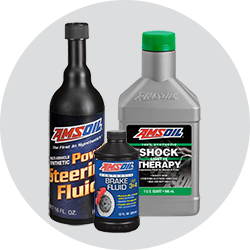
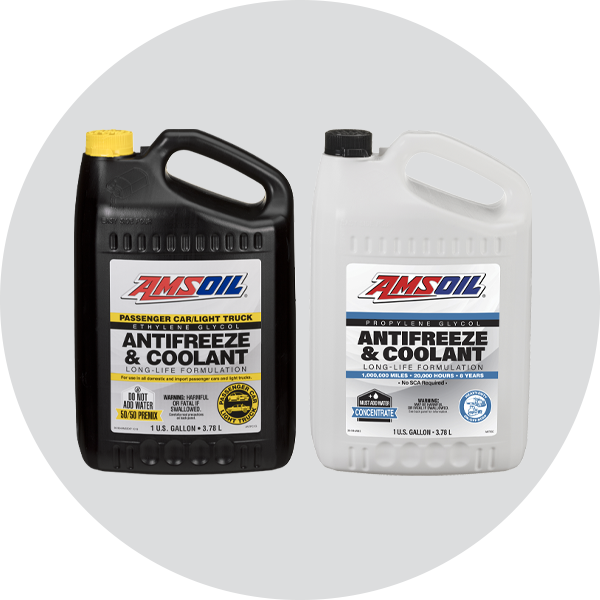
Other fluids in your vehicle to maintain include motor oil, power steering fluid, automatic transmission fluid, antifreeze and coolant and, if you ride, suspension fluid. Sound overwhelming? MyGarage, our powerful online tool designed to track maintenance for all your vehicles and equipment, makes staying on top of vehicle maintenance a breeze.
This is a carousel of Shop by Product slides. Use Tab to navigate through the carousel or the Next and Previous buttons. Use Enter to select a slide.
This is a carousel of Shop by Equipment slides. Use Tab to navigate through the carousel or the Next and Previous buttons. Use Enter to select a slide.
 Gasoline
 Diesel
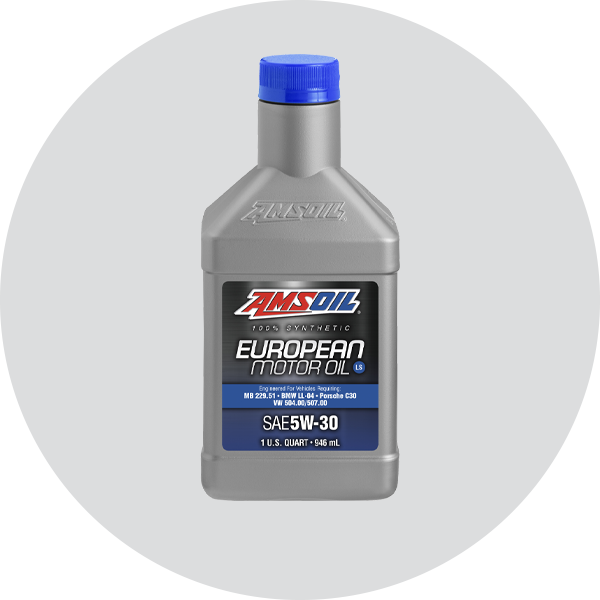 European
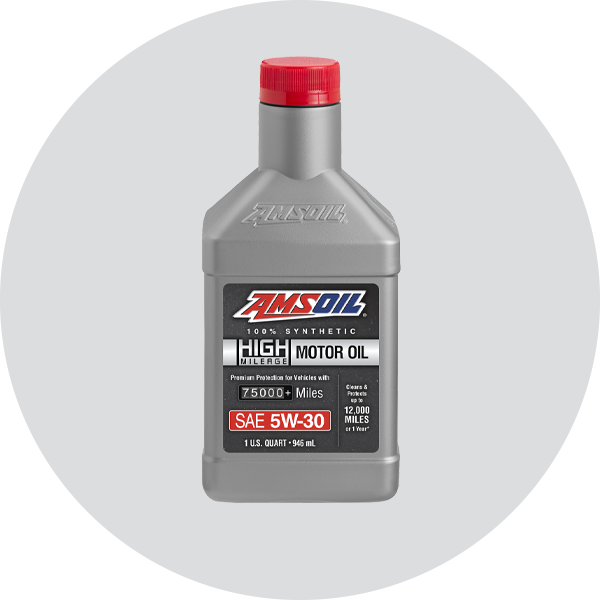 High Mileage
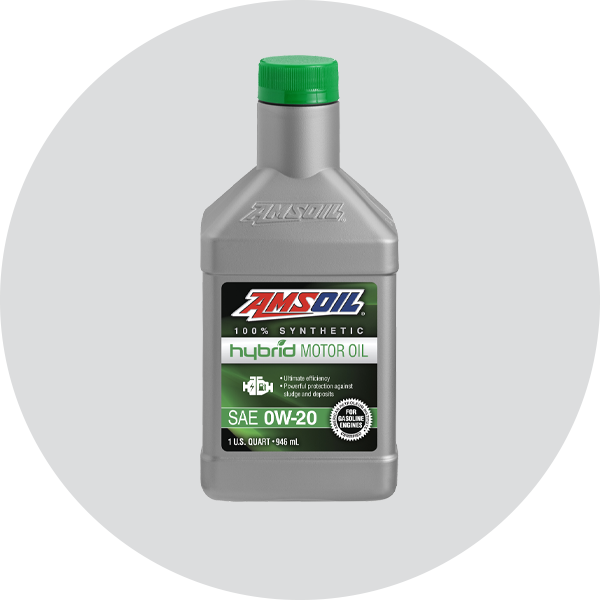 Hybrid
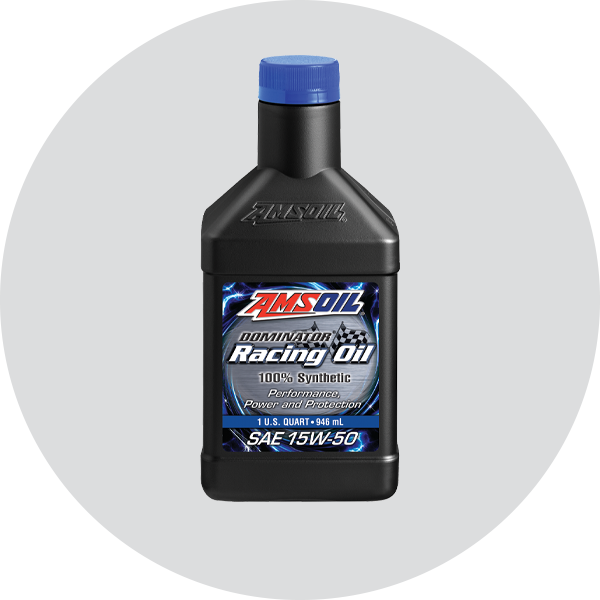 Racing
 High Zinc
 Natural Gas
 Motorcycle Oil
 Snowmobile Oil
 Marine Oil
 ATV/UTV Oil
 2-Stroke Power Equipment
 4-Stroke Power Equipment
 View All
 Delivering to
Save up to 25% on every order.

Free shipping on orders more than $100.

Celebrate your day with a $5 coupon from us.

Get a $5 coupon with every $100 you spend.

Receive exclusive offers throughout the year.

Complimentary membership renewal when you spend $500 or more.