☰



Auto/Light Truck

Motorcycle

ATV

UTV

Snowmobile

Marine Outboard

PWC

Heavy-Duty


Auto store shelves are lined with fuel additive brands that talk a good game. They claim to help your engine with things like increased fuel economy, smoother engine operation, reduced emissions, extended engine life and improved horsepower. The truth is that additive quality varies wildly and doesn’t always perform as advertised, which explains why many people are skeptical that fuel additives actually work. However, the best fuel additives can be a powerful tool for maintaining vehicle performance and longevity.
Fuel additives use chemical formulations to target issues inhibiting peak performance, such as cleaning sludge and deposits formed from the chemical breakdown of fuel and gasoline motor oil or diesel engine oil that makes its way into the combustion chamber.
The benefits of using additives varies from product to product. For example, some are formulated to maintain engine cleanliness, lubricate components and prevent fuel-system corrosion. The result can improve horsepower, vehicle longevity and fuel economy. Engine cleaners target and remove carbonaceous deposits from injectors, valves and the combustion chamber to help restore horsepower.
Diesel fuel additives can help to clean dirty injectors, lubricate pumps and injectors, restore power, reduce smoke and emissions, and combat fuel-system corrosion. In cold temperatures, additives can help prevent fuel gelling, improve horsepower and add cetane.
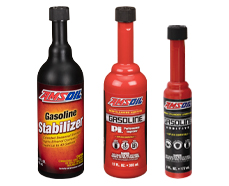
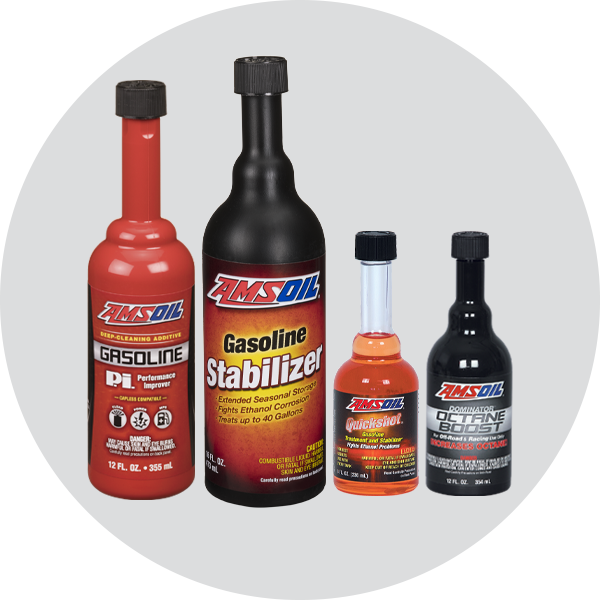
Storing seasonal power equipment requires the use of a fuel stabilizer. Gasoline begins to break down in as few as 30 days, forming varnish and gum inside tiny fuel passages in the carburetor or injectors. In addition, components of the fuel system can corrode. A quality fuel stabilizer can maintain fuel stability during storage and keep metal components corrosion-free.
How often to use an additive depends on the performance issues you’re targeting and the specific additive being used. For example, AMSOIL P.i. can do its work in just one tank while AMSOIL Upper Cylinder Lubricant is recommended with every tank. For best results, follow manufacturer recommendations for individual fuel additives.
This is a carousel of Shop by Product slides. Use Tab to navigate through the carousel or the Next and Previous buttons. Use Enter to select a slide.
This is a carousel of Shop by Equipment slides. Use Tab to navigate through the carousel or the Next and Previous buttons. Use Enter to select a slide.
 Gasoline
 Diesel
 European
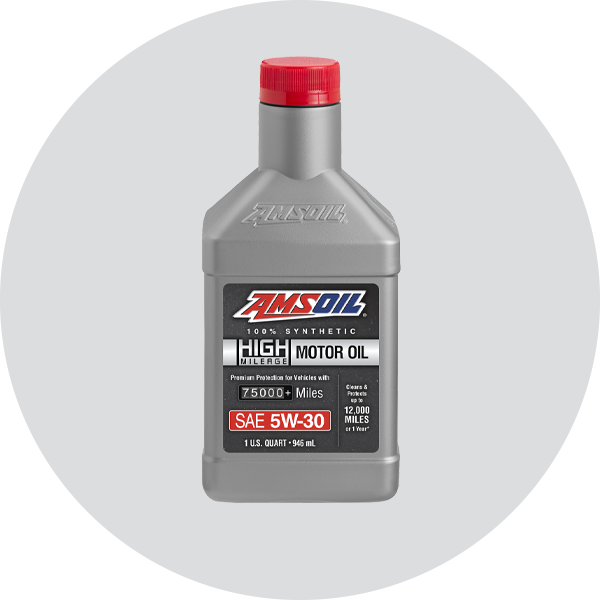 High Mileage
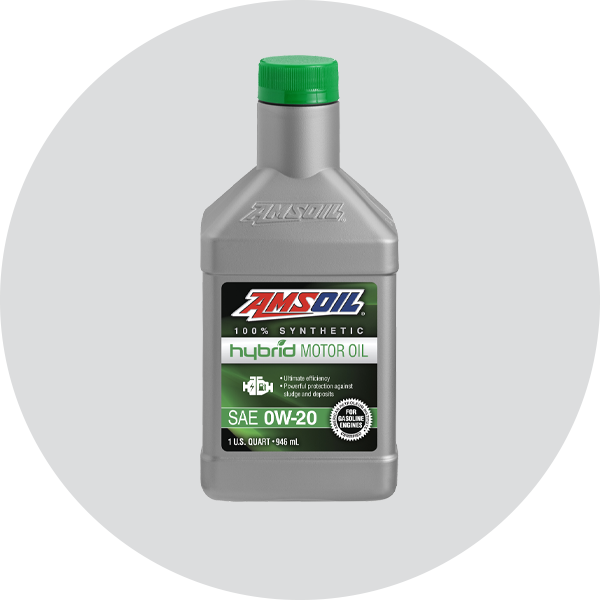 Hybrid
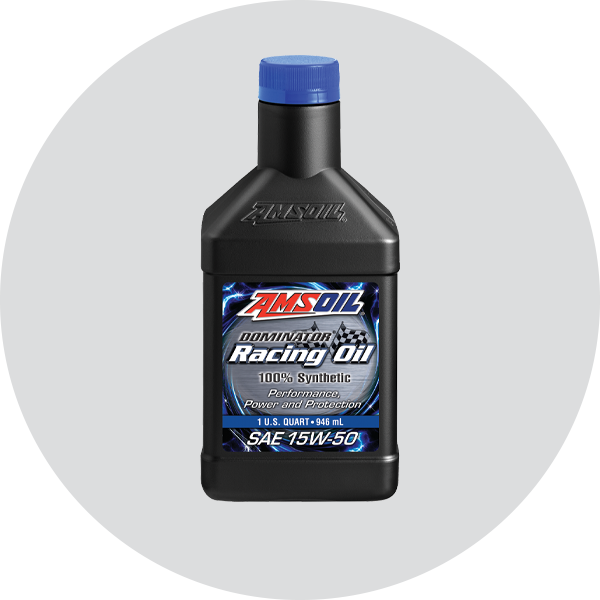 Racing
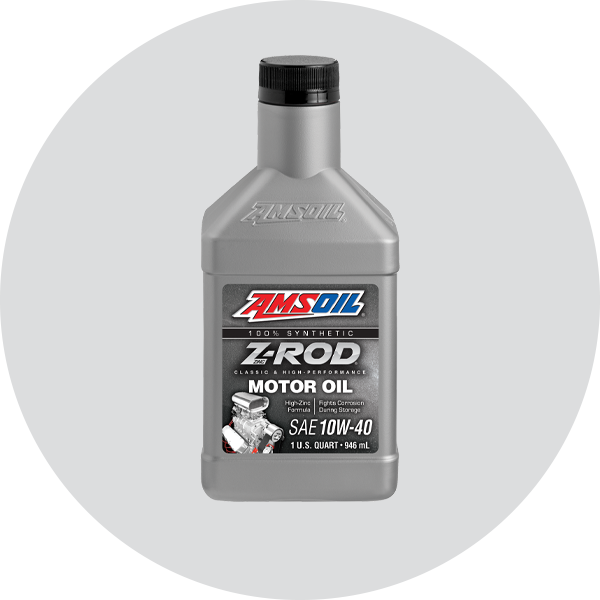 High Zinc
 Natural Gas
 Motorcycle Oil
 Snowmobile Oil
 Marine Oil
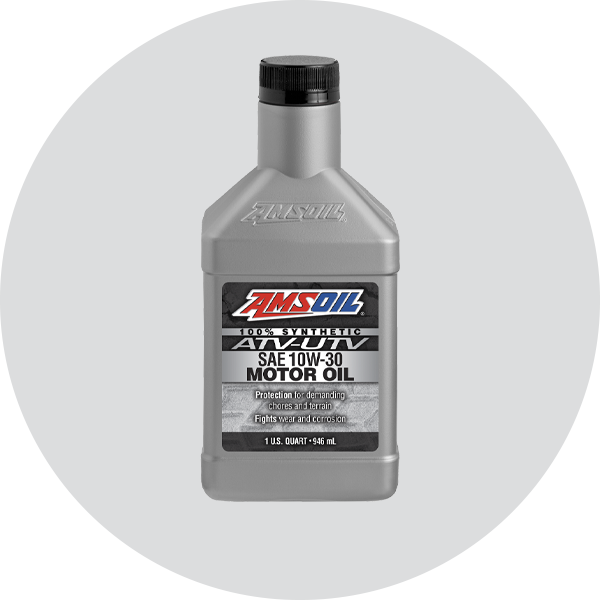 ATV/UTV Oil
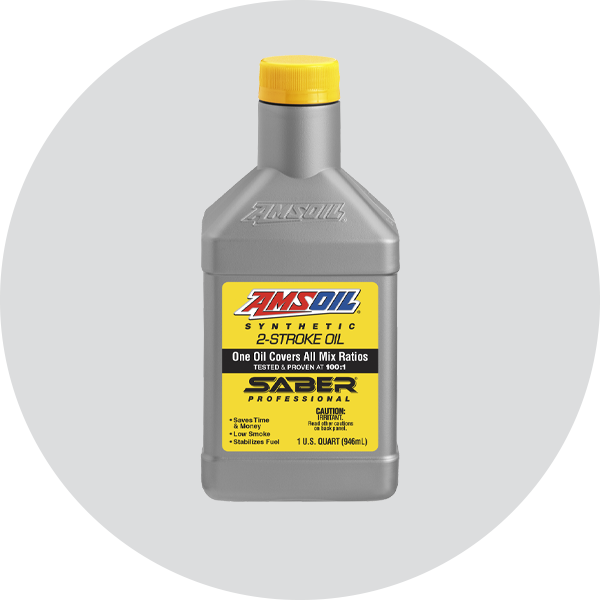 2-Stroke Power Equipment
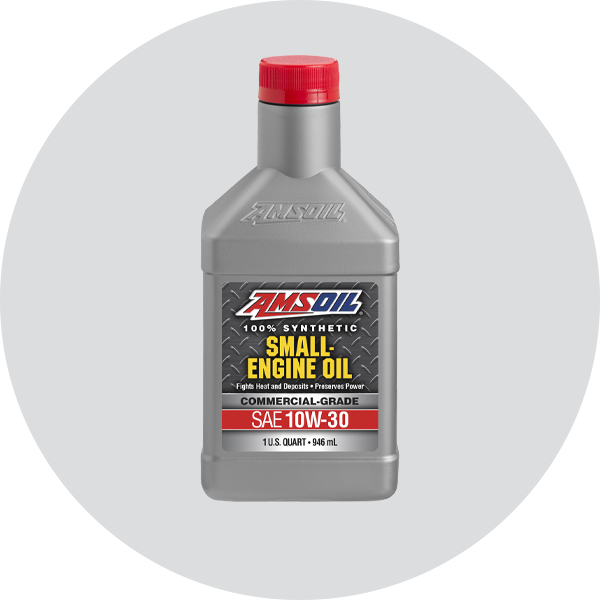 4-Stroke Power Equipment
 View All
 Delivering to


Save up to 25% on every order.

Free shipping on orders more than $100.

Celebrate your day with a $5 coupon from us.

Get a $5 coupon with every $100 you spend.

Receive exclusive offers throughout the year.

Complimentary membership renewal when you spend $500 or more.